


The record
Still running
Lockheed Martin Elite Supplier — the approved recognition, still running — as scored by the most demanding customer in aerospace.
98.5%
on-time delivery, across the business
99.9%
product quality, across the business
Since 1955
Conductive fabric is where we start: STM bonds silver to every fiber with EnCap™. Integrated systems are what we ship: that fabric engineered into the low-observable tapes and appliqués, survivability seals, fillers and shielding that go on the platform. Coated, laminated, filled with radar-absorbing materials, and delivered ready
to install. From fiber to finished system, one U.S. partner.
An expert answers within 48 hours · Working under ITAR? Share only what you can.
A treatment on the outer mold line, a leak at the enclosure, a wall that has to pass inspection, a sensor that has to live on a body, static you can't afford. Every problem on this list has a solution page behind it.

Installing and maintaining low-observable treatments with thick applied coatings is slow, labor-intensive and unforgiving of the environment.
Our solutionSurvivability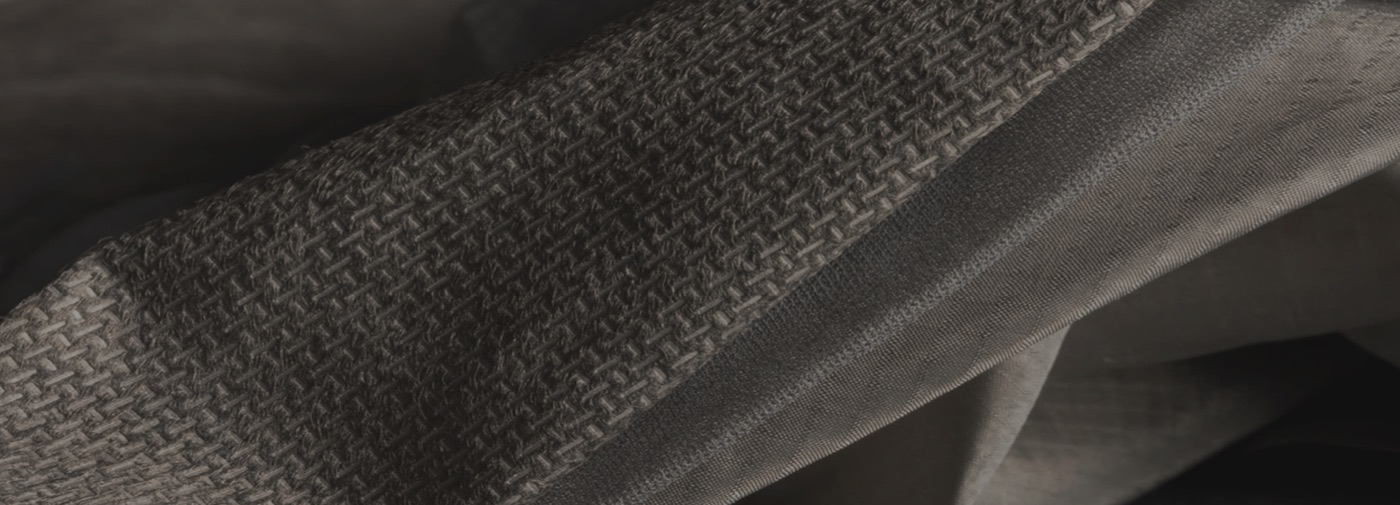
An EMI leak at a seam, a gasket that gives up, a bag, case or enclosure that has to open
and still shield.

Foil is a vapor barrier: moisture collects, mold follows, and a finished SCIF, data center, lab or MRI room gets reopened.
Our solutionArchitectural Shielding
A sensor or circuit that has to stretch, breathe, touch skin — and read the same on patient 100,000 as on the prototype.
Our solutionFlexible Sensors & Circuits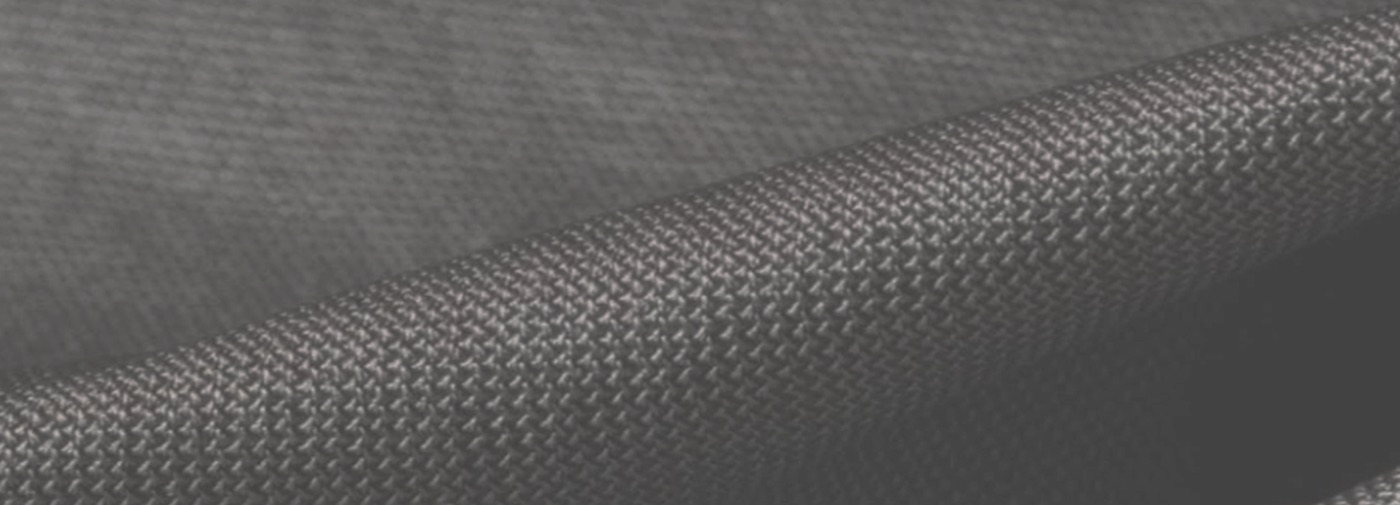
ESD events in handling, assembly and service — garments, covers and enclosures that have to dissipate and ground.
Our solutionESD / Static Control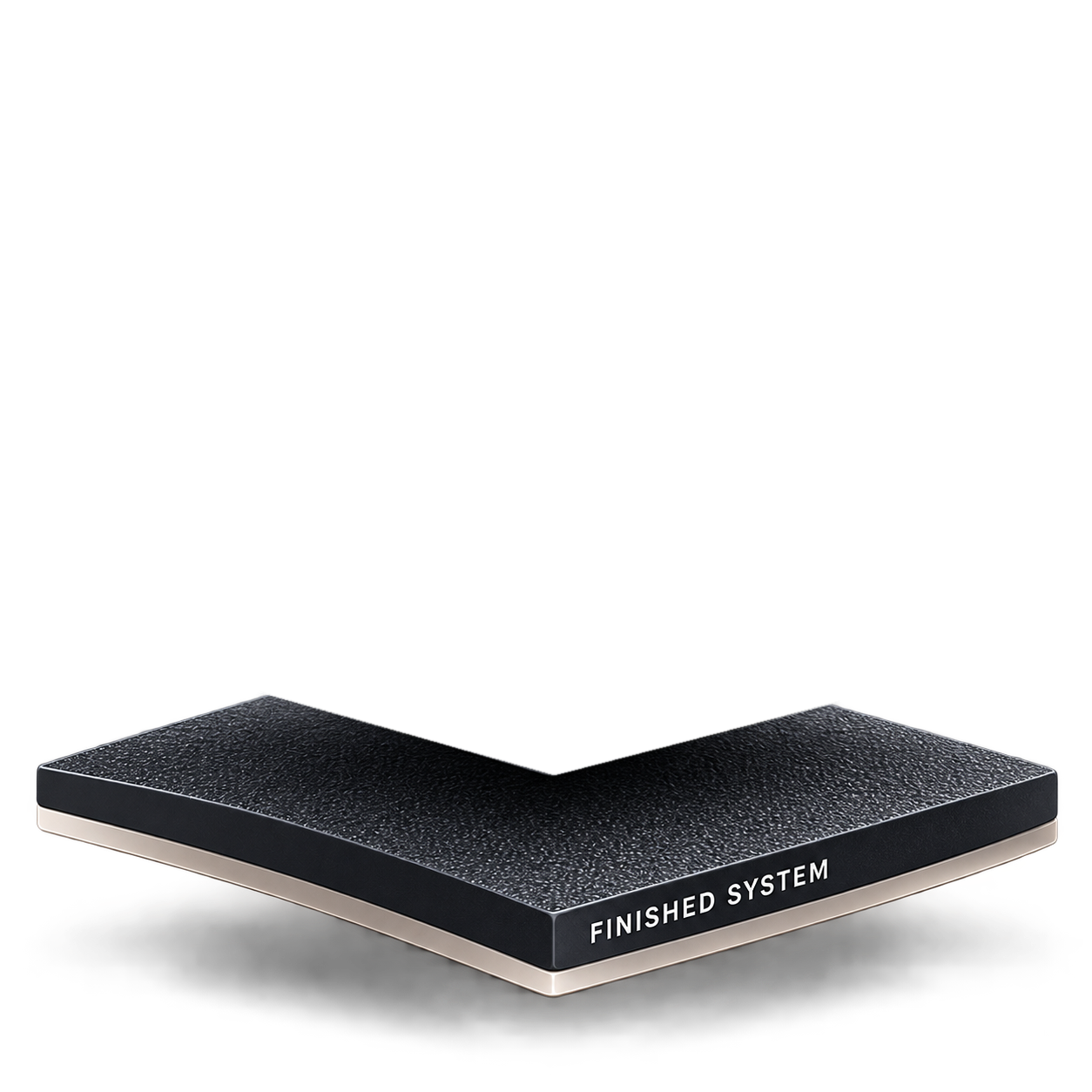

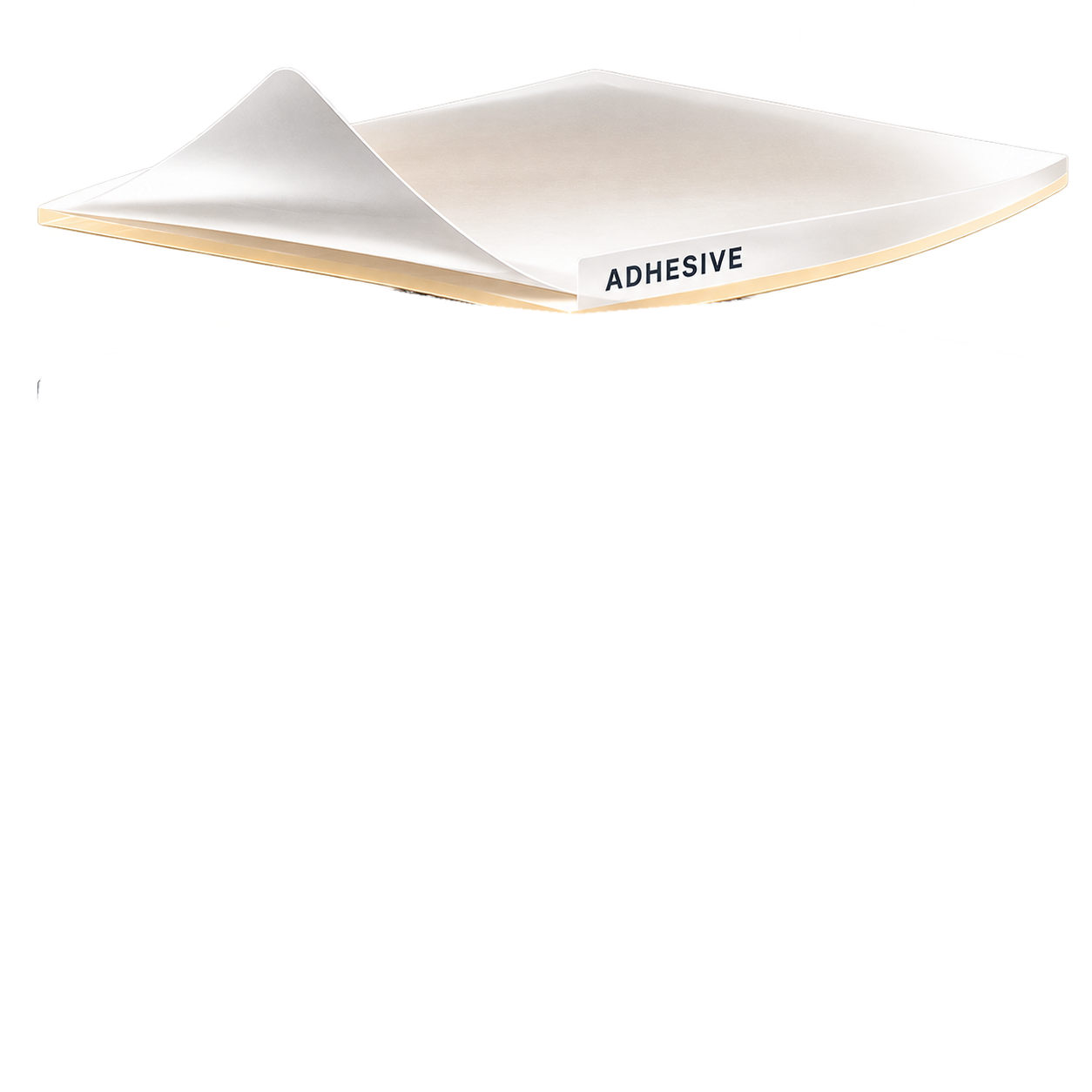
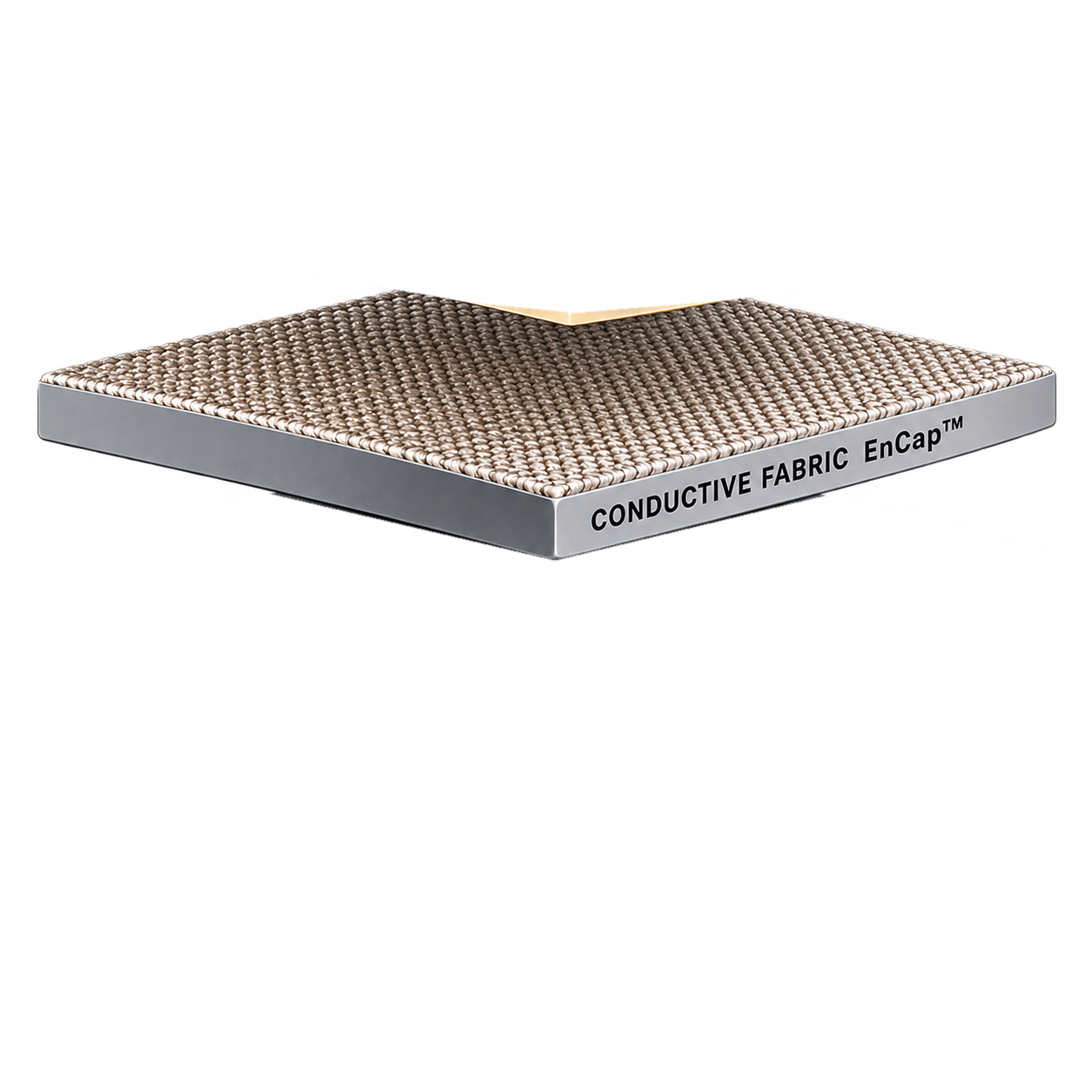

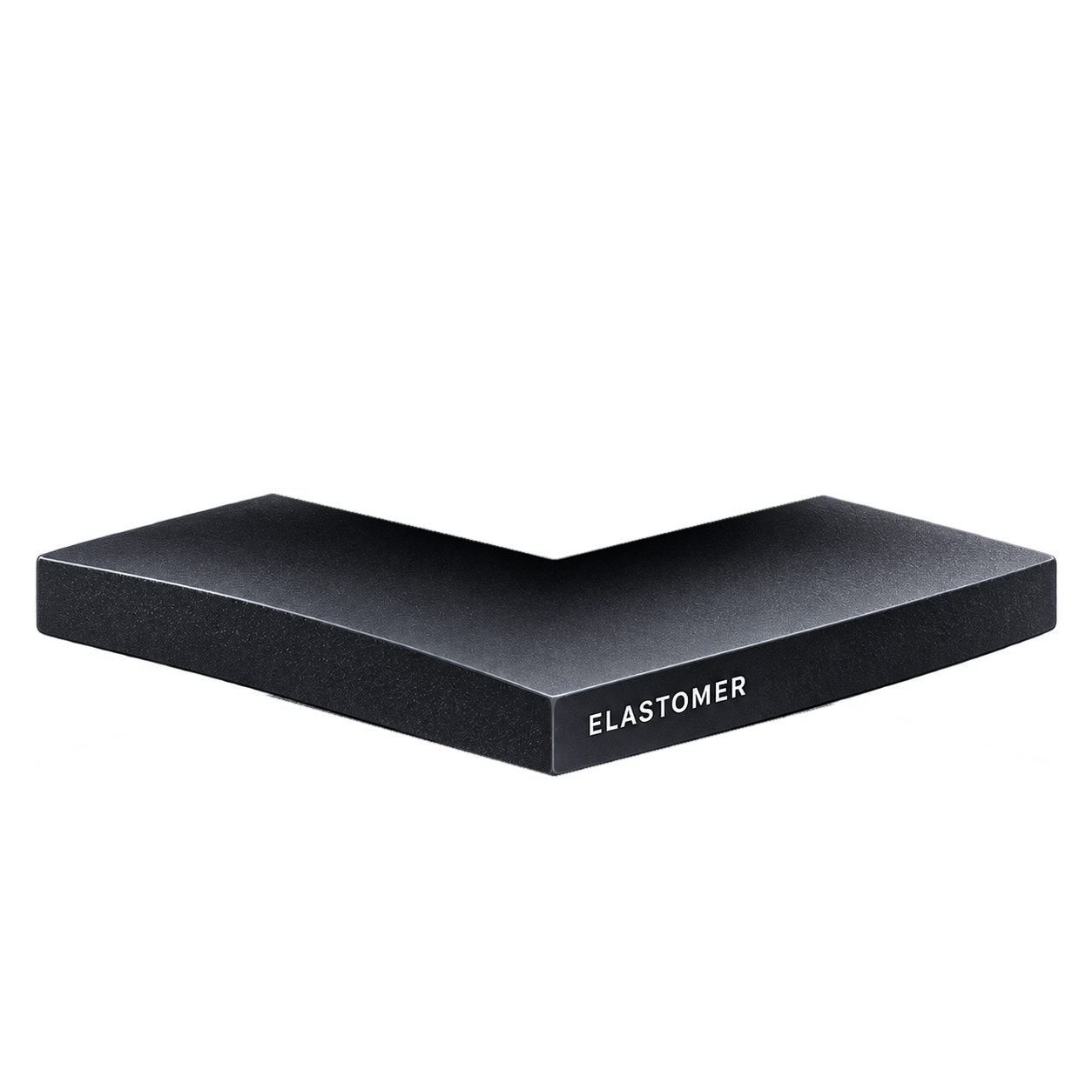

We engineer the construction, bond the metal to the fiber, compound and fill the elastomers, laminate the adhesive, and convert it all into a system your technician installs — peel and stick, or melted in and smoothed flush.
Scroll to take it apart
Component 01 / 03
The outside of the system, where it meets the environment. Urethane, silicone or fluoroelastomer — filled with radar-absorbing materials, or neat, depending on what the application asks.
Component 02 / 03
The ground plane every system builds on. Silver, or nickel over silver, chemically bonded to every fiber with EnCap™.
Component 03 / 03
The side that marries to the aircraft. Pressure-sensitive, conductive or hot-melt — a strong bond to the outer mold line, or peel and stick in the technician's hands.
The finished system
Three components, each with its own job, married into one system your technician installs: tape, seal, gasket or filler — slit, die-cut, compression-tested, peel and stick or melted in and smoothed flush.
Hover the system to take it apartTap the system to take it apart
Four industries, one encapsulated fabric. Where it goes in: on the airframe, on a body, behind the wall, inside the rack.
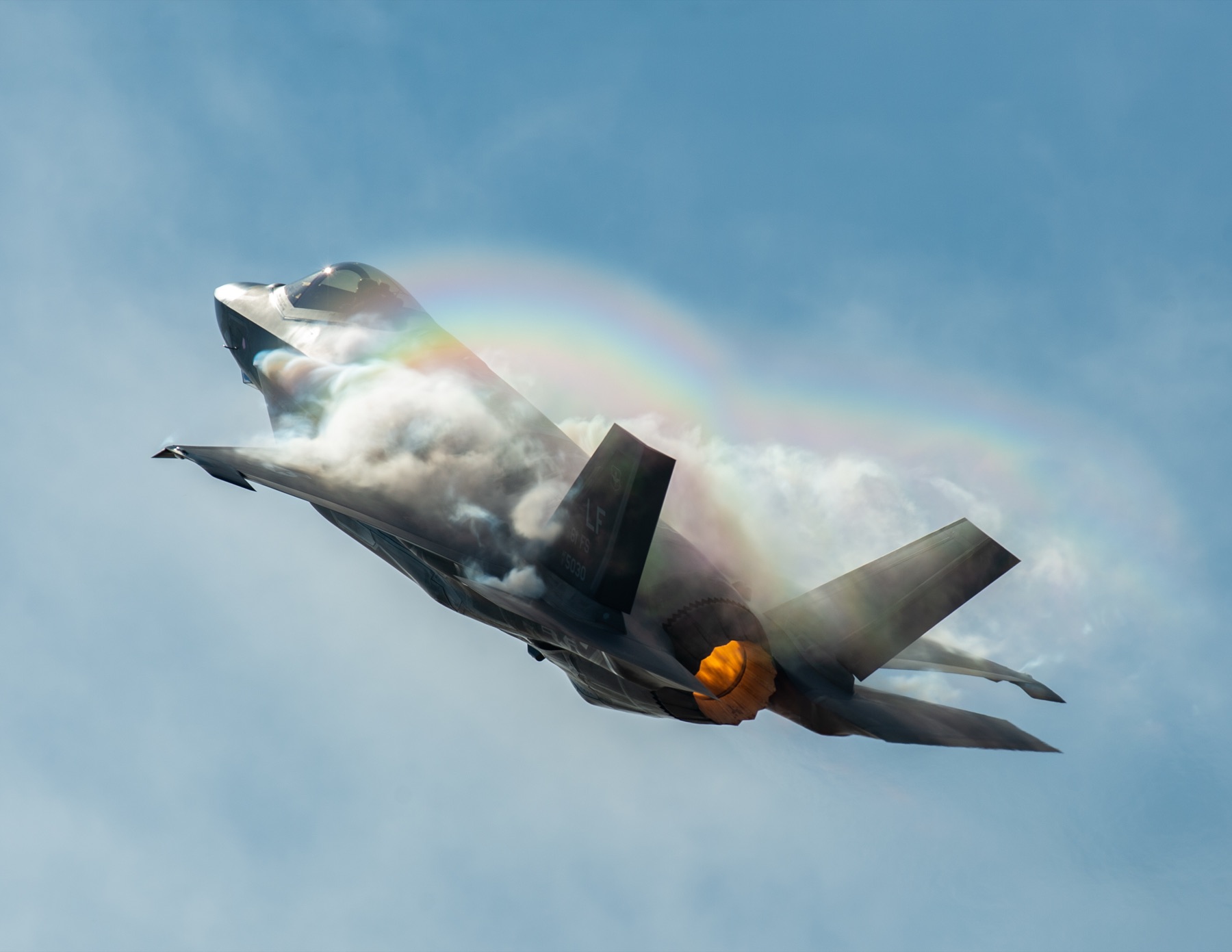 On the airframe
Low observables on the airframe, survivability on the ground, and the shielding that keeps a system working under fire.
Aerospace & Defense On a body
Conductive textile engineered for sensing on a body — the material a wearable, biosensor or pressure-mapping device is built from.
Medical & Wearables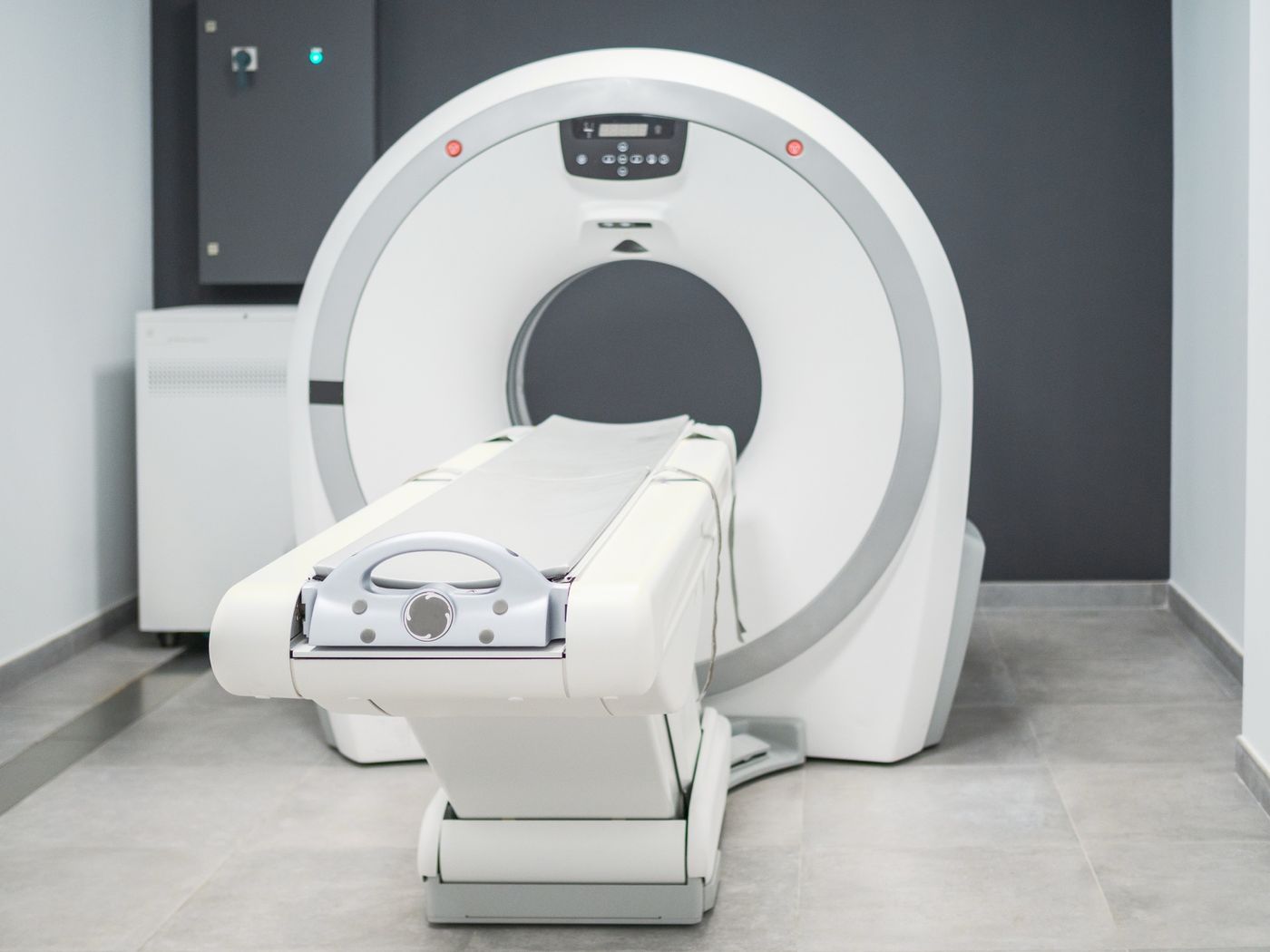 Behind the wall
RF shielding installed inside the wall build-up itself — STM fabric behind the drywall doing the job foil can't do without trapping moisture.
Architectural & Secure Facilities Inside the rack
Rolled conductive fabric deployed at facility scale — RF blankets, barriers, harness wraps and liners, installed like material, not machinery.
Telecom & IndustrialEach industry has its own page, and the hub puts all four side by side.
All industriesOr see where it goes in, market by market, on the card below.
Where our part livesFlying on: F-35 · F-22 · Patriot · advanced long-range aircraft
Survivability is what our customers call all of it — everything that makes the asset harder to find, harder to target and harder to stop, so it comes home. Our piece is signature management at the material level: conductive ground plane, radar-absorbing materials, and the installable systems that carry them onto the outer mold line. High level by design — the details live behind an NDA, where our customers want them.
The go-to seam treatment: faster and more cost-effective to install than thick applied coatings.
Filled thermoplastic urethane, melted in and smoothed flush with the surface.
The conventional gasket, rebuilt as a survivability seal when the EMI leak is found.
The electrical connection between panels that have to open, close and connect again.
Not a product on this page; the component the whole page is built on.
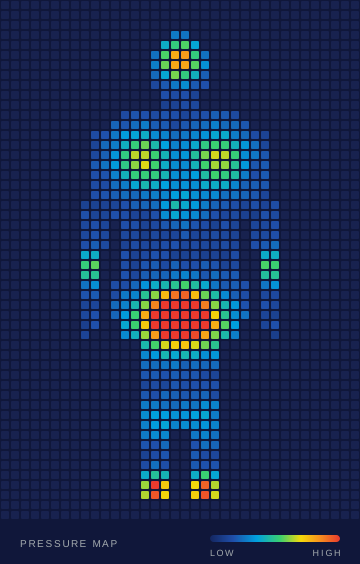
Medical & Wearables

Architectural & Secure Facilities
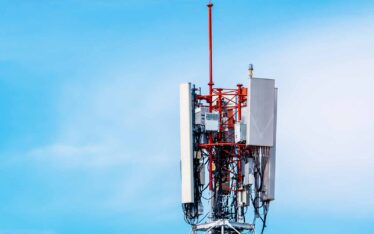
Telecom & Industrial
Where the tape
came from
It started on the F-22, where STM's fabric served as the conductive ground plane under heavily applied radar-absorbing coatings. When the F-35 moved to production, engineering needed a faster, more cost-effective way to install low observables than thick applied coatings — and the prime that knew our ground-plane work came to us. We co-developed the elastomeric seam tape, radar-absorbing materials included. Today it's the go-to seam treatment on the F-35.
On the outer mold line since F-35 program inception — doing our part to bring the warfighter home.

For procurement & supply chain
When a sole supplier is putting delivery or quality at risk, we work your qualification process and stand up as the second source.
For engineering
Engage us before procurement is involved. We work the problem with you and qualify the technology procurement ultimately buys.
It starts with a high-level conversation. Initial response within 48 hours. No data sheets on this page by design.
Engineered, metalized, coated, laminated, filled, converted and delivered — a system, not a sourcing project.
Pass qualification, and stay passed through every flex cycle, fluid exposure and thermal swing the platform sees.
Into composites and appliqués, garments and wearables, walls that still breathe, cases that fold.
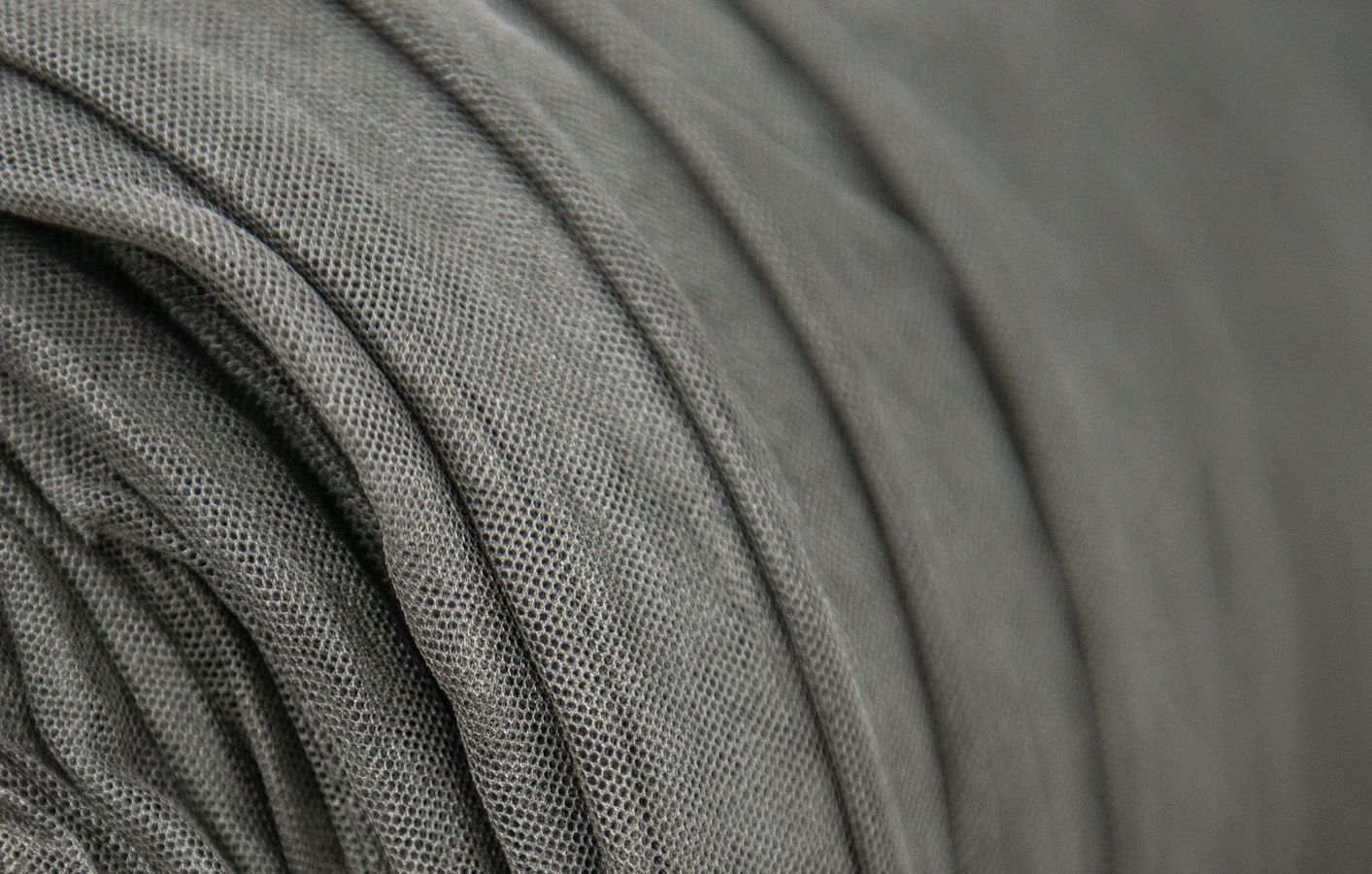
Gaskets, bags, pouches, enclosures and cases — conformable conductive fabric with closures that carry current across the seam.
EMI / RFI Shielding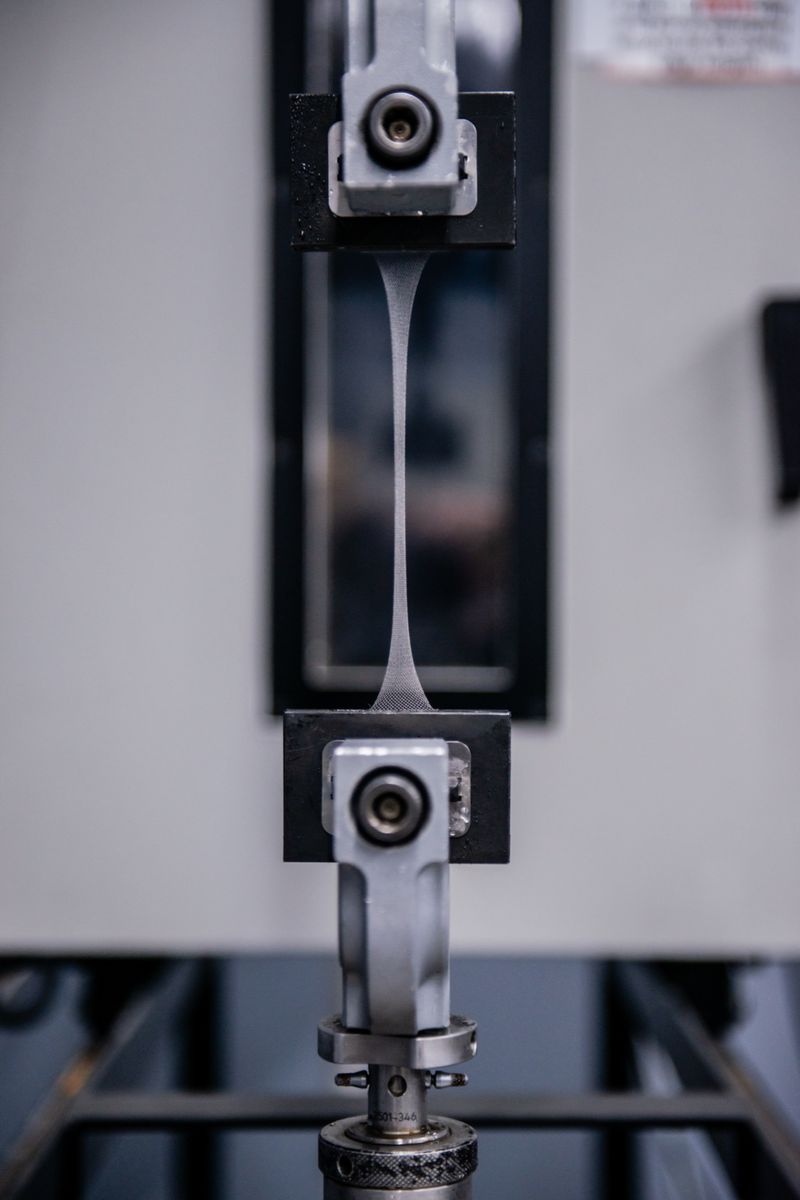
Breathable shielding for data centers, SCIFs, labs and MRI rooms — high attenuation with no vapor barrier behind the wall.
Architectural Shielding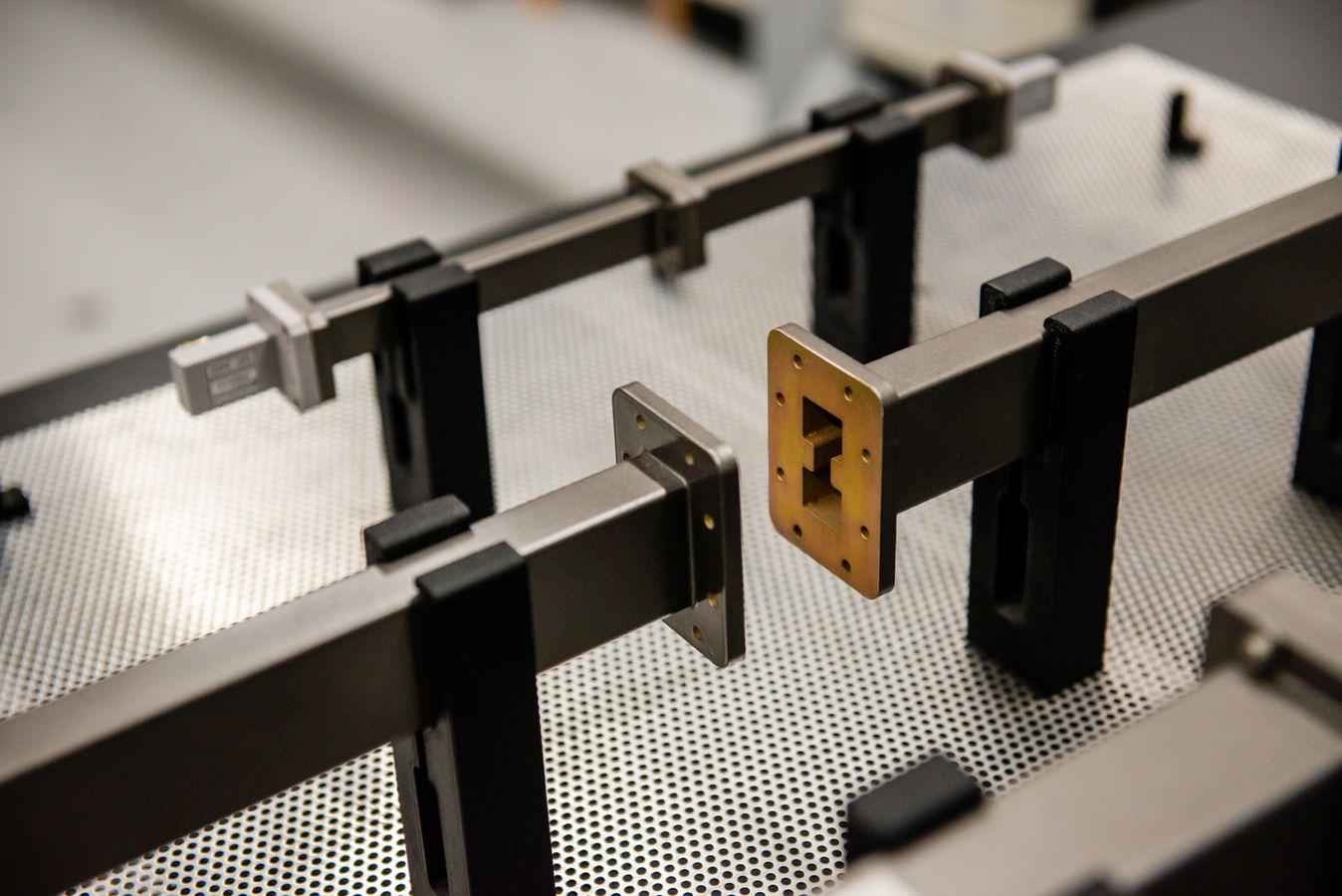
Pressure mapping, wearable sensing and biosensors: 500% stretch, <1.5 Ω/sq, soft finish for extended skin contact.
Flexible Sensors & Circuits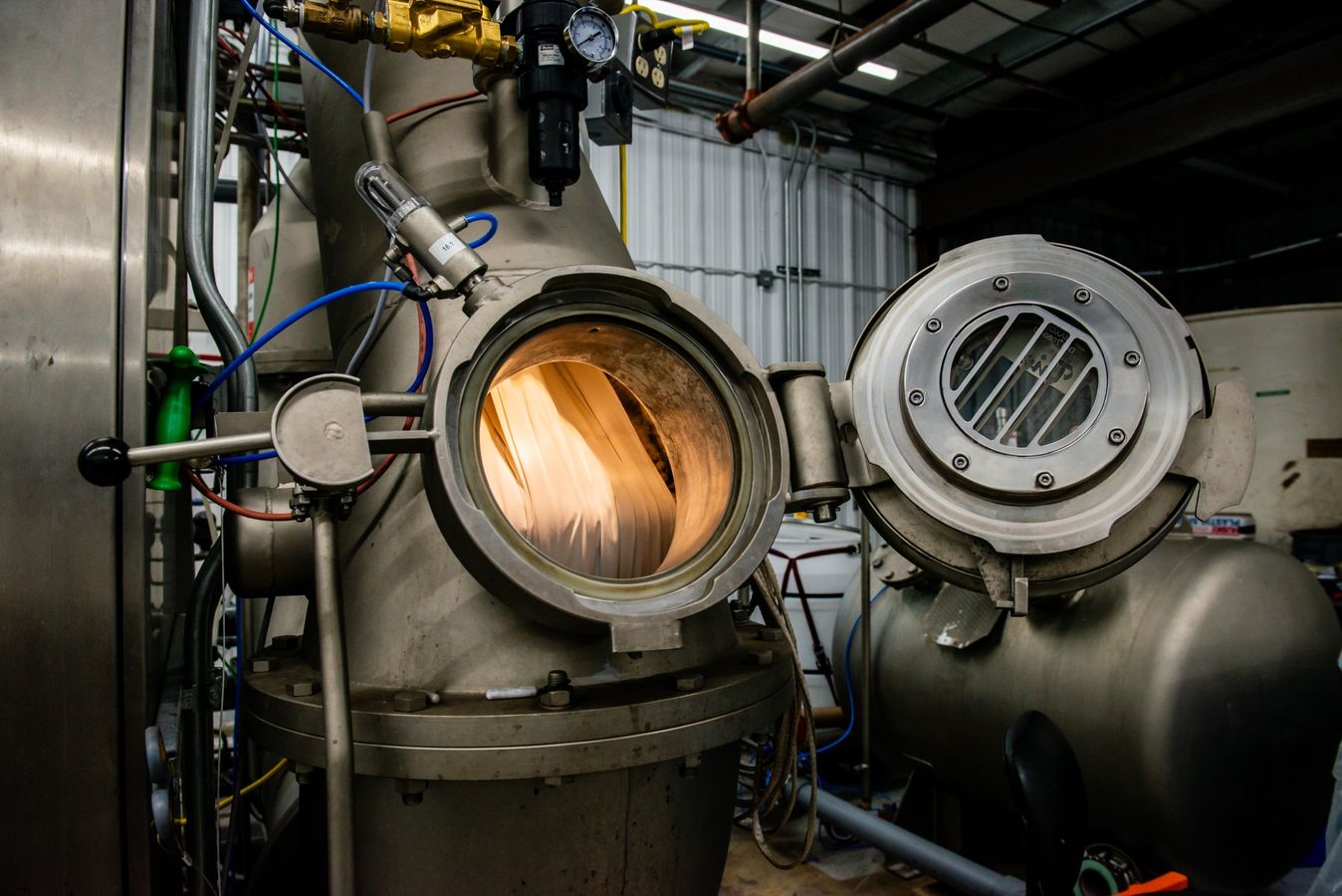
Static dissipation and grounding built into covers, garments and enclosures.
ESD / Static ControlMost of these pages started as a custom requirement. If yours doesn't land under one of the doors above — a market we haven't named, a construction we haven't published — bring it anyway. We're custom-engineering driven, and we'll tell you honestly what we can prove and what we can't.
Or start with your industry:
EnCap™ and material characterization testing sit behind every family below — same bond, same lab, whichever fabric you choose.
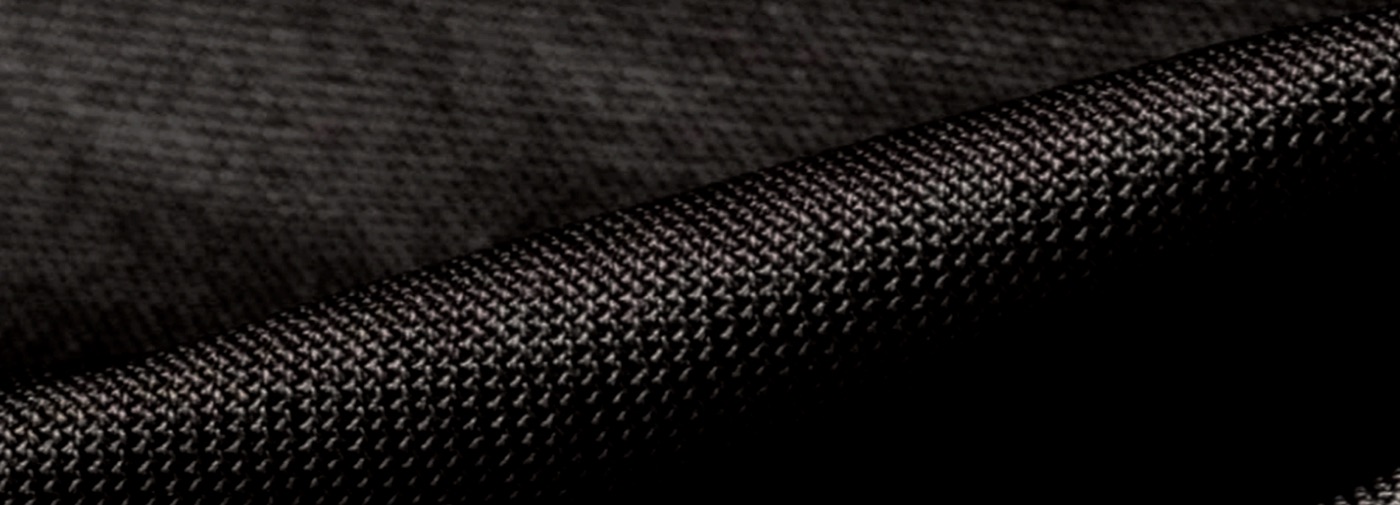
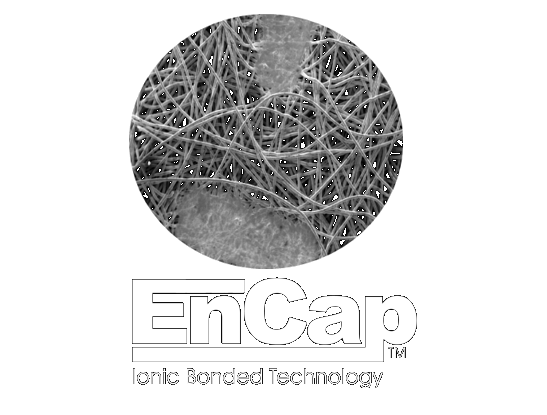
The bond: silver, or nickel over silver, encapsulating every fiber. The base fabric keeps its stretch, drape, tear strength and breathability. Micrographs, data sheets and curves — never the chemistry.
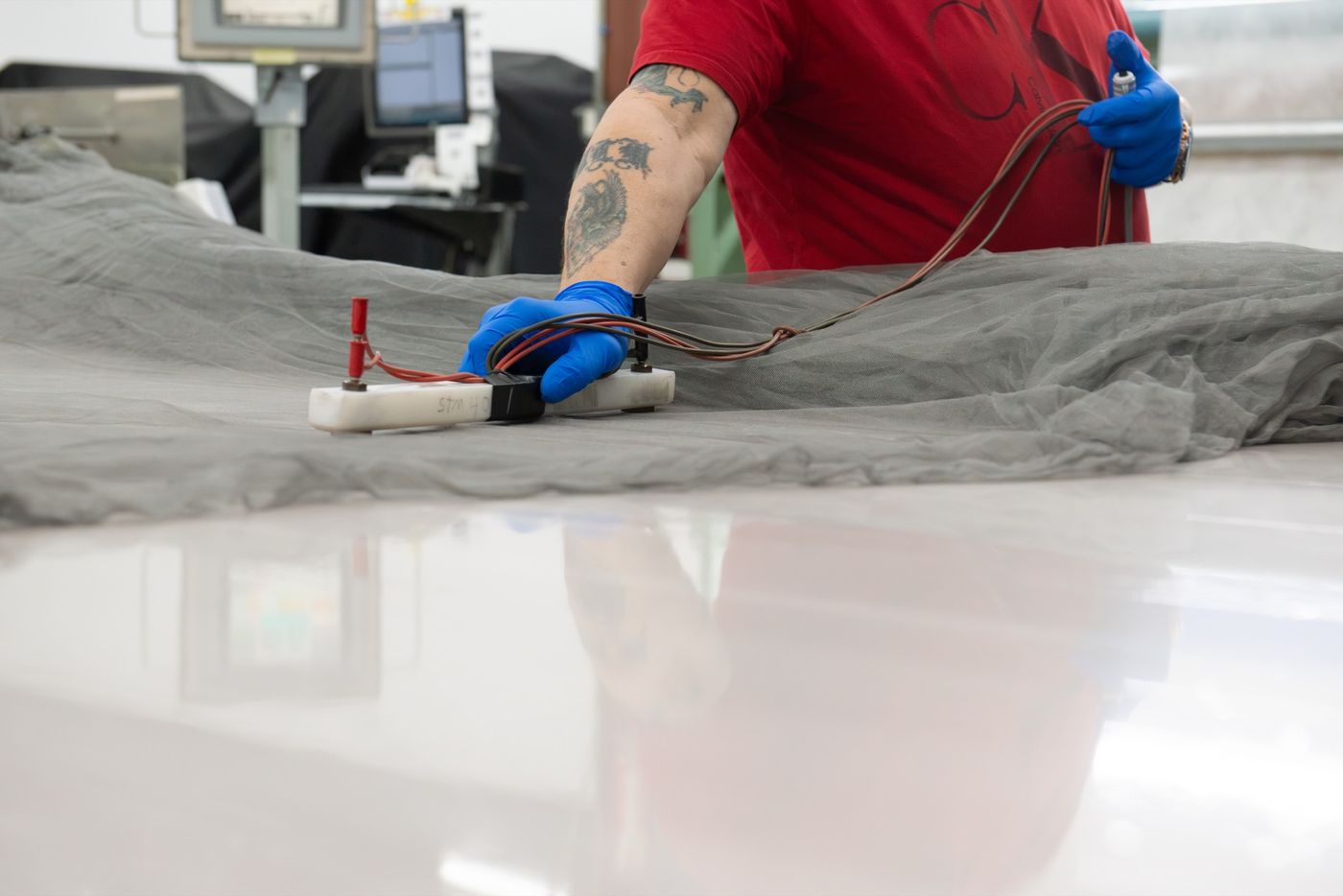
Electrical, mechanical, RF (30 MHz–1.5 GHz, 2–18 GHz) and environmental characterization to ASTM methods, in-house. An independent free-space shielding curve, 2–40 GHz, on every fabric data sheet.
Lightweight and breathable.
Silver tricot scrims from 0.7 oz/yd² — stretch, recovery and shielding at the lowest weight. K087S · K158S.
Strong and tight.
Rip stop and taffeta with tensile to 14,000 psi — for gaskets, enclosures and flexible circuits. W077S · W077NS · W823NS.
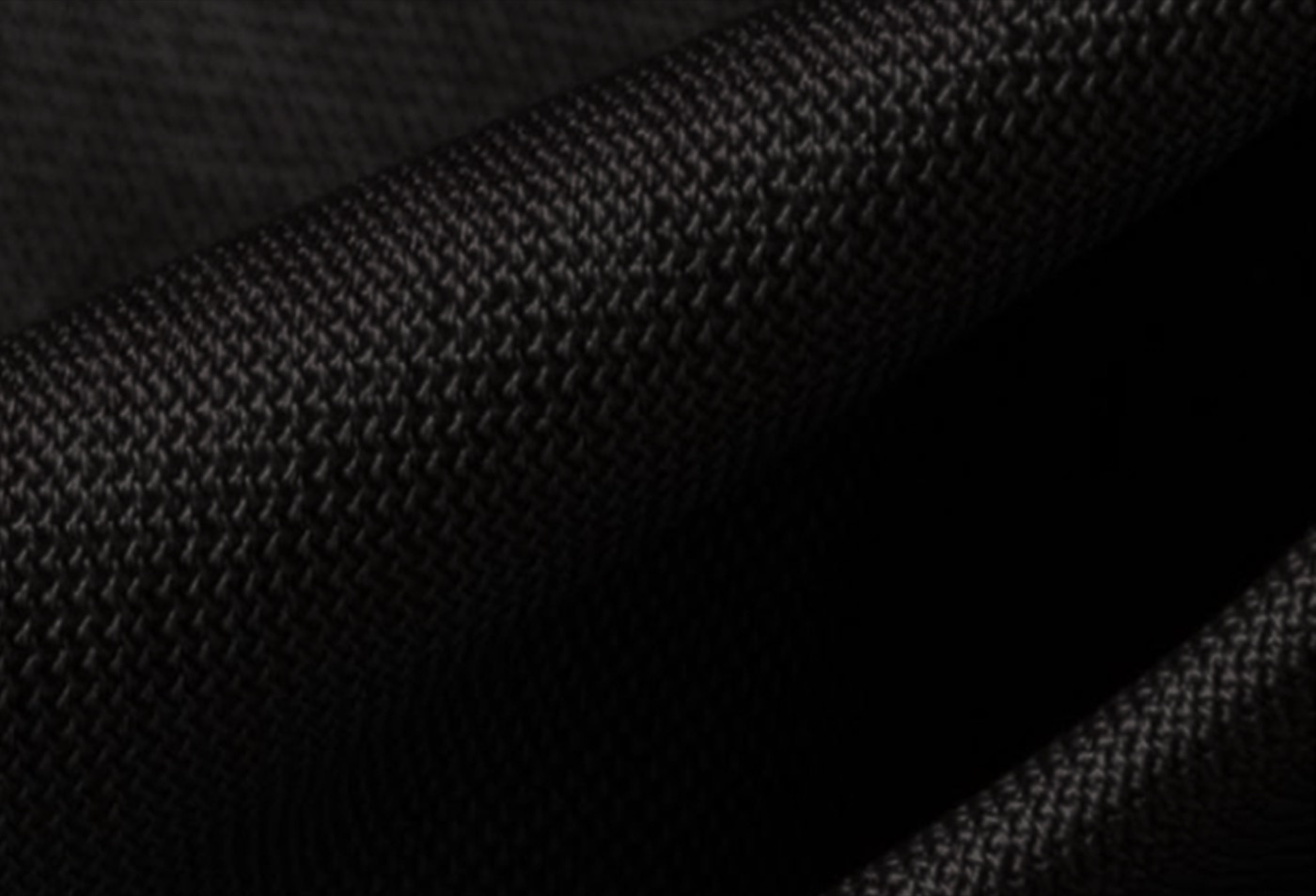
Stable, with the highest shielding numbers.
Dimensionally stable, breathable, −70 dB at 1 GHz — the architectural workhorse. NPB20NS.
Not seeing what you need?
Base fabric, metal, weight and width can all be adjusted — and delivered coated, laminated, filled or die-cut. Tell us what the application demands.
Hover any family for a hint of the weeds. Want the whole thing? The full spec table — every family, every attribute — lives on the Materials page, intact.
See the full table on MaterialsMost of the data that proves STM works belongs to the programs it protects. Here is the proof we own.
Still running
Lockheed Martin Elite Supplier — the approved recognition, still running — as scored by the most demanding customer in aerospace.
98.5%
on-time delivery, across the business
99.9%
product quality, across the business
In-house electrical, mechanical, RF and environmental characterization to ASTM methods — sheet and volume resistance, tensile, peel, tear, elongation, abrasion; RF from 30 MHz to 1.5 GHz and 2 to 18 GHz; −100°F to 500°F exposure, UV accelerated aging, elevated-temperature fluid exposure. An independent shielding curve, 2–40 GHz, on every fabric data sheet.
Material Characterization TestingData sheets, test reports and the material we're cleared to share live under Resources. Resources
Straight answers to what engineers and buyers ask us first: what we make, what survivability covers, and how sample kits and NDAs work.
Every page carries its own questions. The full set lives in one place. All FAQs
The fabric is where we start — the conductive ground plane every system is built on. Most of what leaves our floor is the engineered system: tapes, appliqués, seals, fillers and shielding, coated, laminated, filled and converted in-house, then characterized in our own lab before it ships.
Everything that helps the asset and the warfighter come home: low observables on the airframe, multi-spectral signature management on vehicles and the warfighter, RF reflection for decoys, and the shielding that keeps a system working under fire. If your application protects a platform or a person, it belongs in this conversation — even if it isn't named on this site yet.
Yes — after a conversation. Tell us the application and an expert scopes the kit to it and ships it with the data sheets and shielding curves that matter for your requirement. We don't ship kits from a form; the conversation is where the value is.
It starts with a high-level conversation — the 50,000-foot view of what you're doing. STM's business-development team screens every request first; if the work calls for an NDA, we put one in place before we talk specifics, and an engineer joins once the opportunity is defined. Initial response within 48 hours.
The more we know up front — application, environment, frequencies, quantity and timeline — the faster an expert can answer, and the faster a quote follows. Pick the lane that fits where you are.
Exploring
The engineering sample kit comes with data sheets and independent shielding curves, scoped to your application. Tell us what you're working on; an expert puts the right materials in it and ships it. No shipping form, no queue.
Request Sample KitHave a project
Describe the application and the constraints. An STM expert responds within 48 hours, brings engineering in once the opportunity is defined, and supports qualification through first article.
Talk to an ExpertKnow exactly what you need
You know what you want and you're ready to buy. Launchpad takes your spec, drawing or RFQ straight to sales — no screening call, no samples, no waiting on an engineer.
Start a Launchpad requestAn expert answers within 48 hours, not a form letter · Working under ITAR? Share only what you can — we never ask for the platform.